A new development in space technology is helping satellites stay in orbit longer and work more efficiently. Engineers have started using boron nitride ceramic structural components in the discharge channels of Hall effect thrusters. These thrusters are key parts of electric propulsion systems used on many modern satellites.
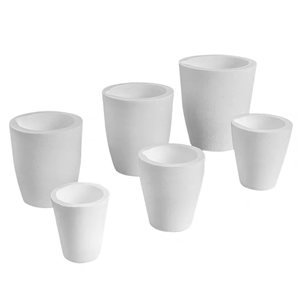
(Boron Nitride Ceramic Structural Components for Hall Effect Thruster Discharge Channels in Satellites)
Boron nitride ceramics offer strong performance under extreme conditions. They can handle high temperatures and resist erosion from plasma, which is common inside thrusters during operation. This makes them ideal for long-duration space missions where reliability matters most.
Traditional materials used in discharge channels often wear out faster. That limits how long a satellite can operate. With boron nitride, the thruster lasts longer and performs better over time. Satellites can adjust their orbits more precisely and maintain position without using too much fuel.
The shift to boron nitride also supports lighter satellite designs. Lighter satellites cost less to launch and leave room for more scientific instruments or communication gear. Companies building small satellites and large constellations see this as a big step forward.
Testing in labs and simulated space environments shows promising results. The ceramic parts hold up well after thousands of hours of thruster operation. Space agencies and private firms are now moving toward integrating this material into upcoming missions.
This change does not require major redesigns of existing thruster models. That means manufacturers can adopt it quickly. It also lowers the risk of delays or added costs during production.
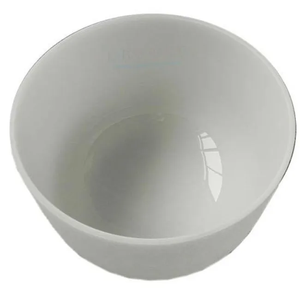
(Boron Nitride Ceramic Structural Components for Hall Effect Thruster Discharge Channels in Satellites)
As demand grows for more capable and durable satellites, materials like boron nitride will play a bigger role. They help meet the need for efficient, long-lasting propulsion without adding complexity.